

To mark this occasion, we’re sharing the perspectives of women across our studios. We asked them several questions: what inspires them, what they’re proud of, the challenges they face, and the opportunities they see for the future.
Their words offer meaningful insight into their experiences, their learnings, and their vision for the future of our industry.
A big thank you to all the women who shape our industry every day, and to the allies who help drive positive change forward.
In what ways do you contribute to inspiring or supporting other women in the video game industry?
Roya
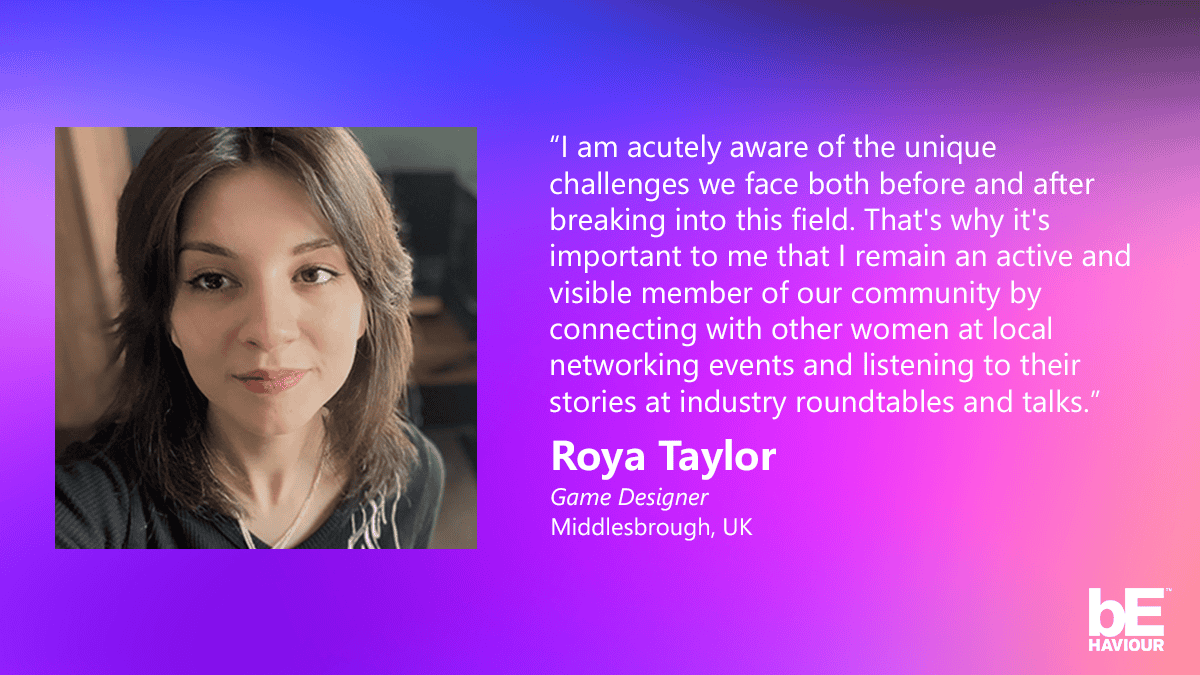
As a woman in the early stages of her career in the games industry, I am acutely aware of the unique challenges we face both before and after breaking into this field. That’s why it’s important to me that I remain an active and visible member of our community by connecting with other women at local networking events and listening to their stories at industry roundtables and talks. Additionally, I recently started volunteering as an ambassador for Women in Games where my advocacy can have a global reach —I hope that by utilising these resources and continuing to develop my communication skills, I can grow into a prominent voice of support for game dev women in my local North East England and beyond.
What does International Women’s Day represent to you?
Karolina
International Women’s Day is both a celebration and a checkpoint.
Working in the game industry is incredibly creative and inspiring —but also historically male-dominated —and this day represents the progress we’ve made so far and the work that still lies ahead.
It’s about celebrating the women who make games possible: the artists, programmers, designers, producers, QA testers, writers, leaders and many more. Women who have pushed through barriers, spoken up when it was uncomfortable, and mentored others coming into the field. That deserves recognition.
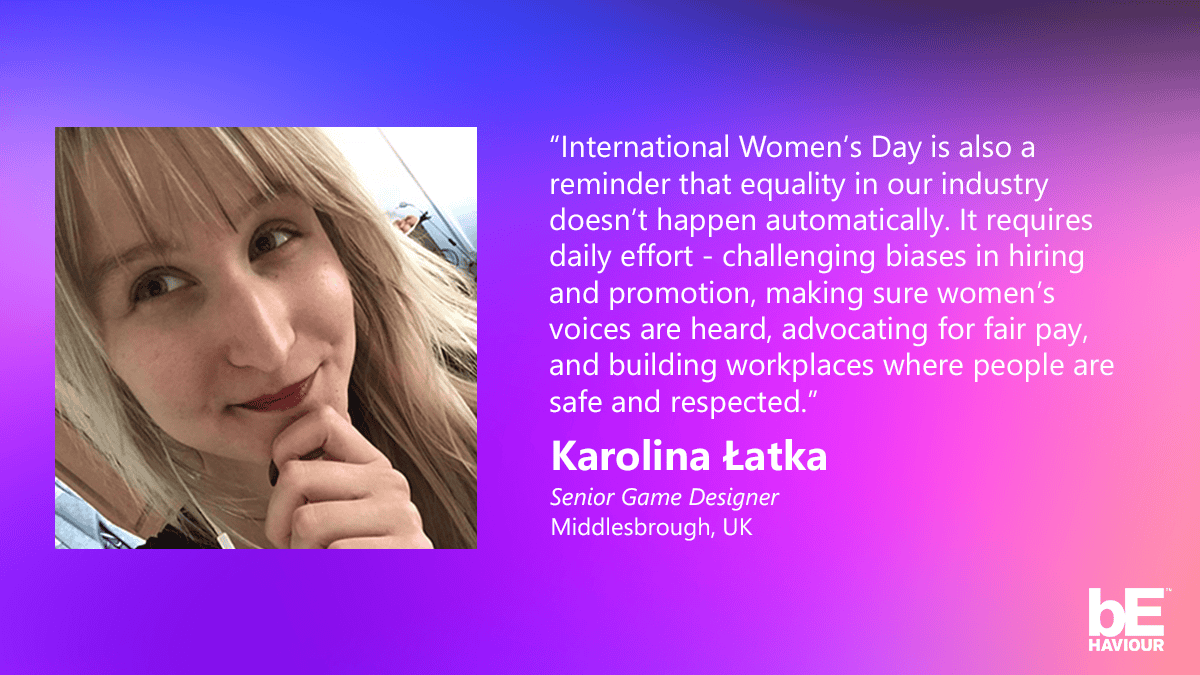
On the other hand, International Women’s Day is also a reminder that equality in our industry doesn’t happen automatically. It requires daily effort —challenging biases in hiring and promotion, making sure women’s voices are heard, advocating for fair pay, and building workplaces where people are safe and respected. It means creating systems that support everyone.
This day is a moment to pause and ask:
- Are we building studios where the next generation of women can thrive?
- Are we listening when women speak about their experiences?
- Are we supporting women in making our games more diverse?
International Women’s Day represents why it’s important to keep pushing, every day, for a game industry where talent, creativity, and leadership aren’t limited by gender. Where the women who come after won’t have to fight just to be seen as equals.
International Women’s Day represents why it’s important to keep pushing, every day, for a game industry where talent, creativity, and leadership aren’t limited by gender. Where the women who come after won’t have to fight just to be seen as equals.
What message would you like to share on this International Women’s Rights Day?
Daniela
On this International Women’s Day, I want to remind everyone of something that still stands out to me.
In 2026, women are still often in a position where we have to prove ourselves disproportionately, especially in our industry.
There has been real progress, and that deserves to be recognized. But in my experience, I still see the same pattern again and again. Women who do everything perfectly, and then some. We plan, we organize, we stay professional, we hold teams together, we do not take things personally, and we consistently deliver excellent work.
We show up prepared.
We show up reliable.
We show up professional.
And yet over time I see something happen that I wish I did not.
The fire to fight for ourselves slowly fades.
We accept things.
We look the other way.
We stop negotiating.
We stop asking.
We do not want to be a bother.
So my message today is simple.
Take space.
Be heard.
Stand your ground.
No one is coming to hand you the opportunities you deserve simply because you are doing a fantastic job. The people who move forward are the ones who create their own opportunities.
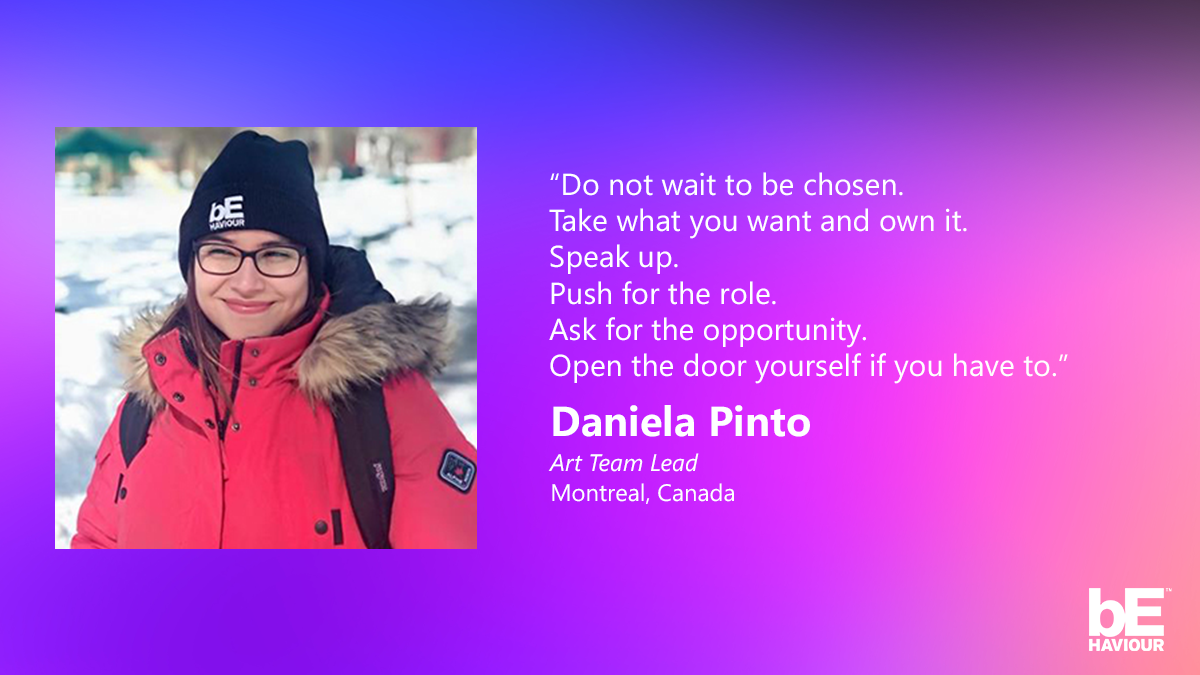
Do not wait to be chosen.
Take what you want and own it.
Speak up.
Push for the role.
Ask for the opportunity.
Open the door yourself if you have to.
And sometimes, pick a hill to die on and stand on it with confidence.
If one door closes, good. There are probably ten others waiting for someone bold enough to open them.
Stop worrying about what people will say.
Stop worrying about how you will be perceived.
Stop shrinking yourself to make others comfortable.
Lead with kindness, respect, and professionalism, yes. But never with fear.
If someone thinks you take too much space, that you are too vocal, or that you are being “a bit of a mom” in the room…
Good.
That probably means you are exactly where you should be.
And honestly, moms are pretty damn awesome too.
Do not wait to be invited into the room.
Walk in, pull up a chair, and own your place at the table.
What changes for women would you like to see take shape in the industry over the next few years?
Alexandra
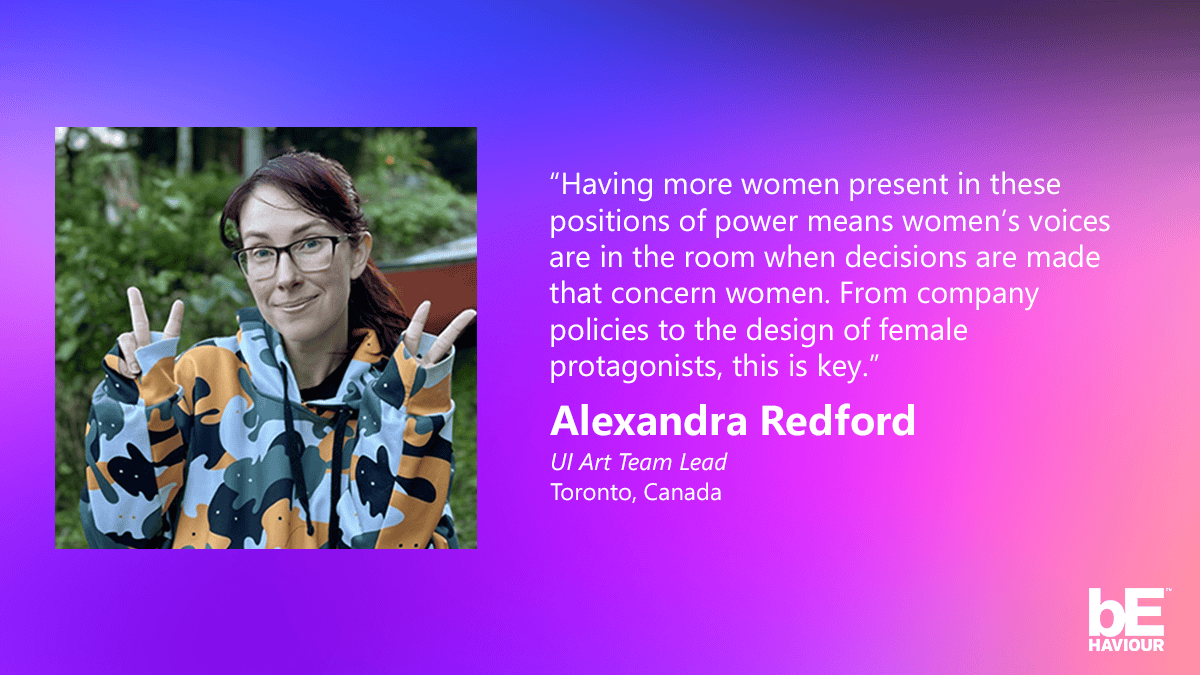
It is beautiful to see the upward shift in representation for women and other marginalized groups that has taken place in the Gaming industry over the last decade or so. We can see more women in positions of leadership, both on executive boards and on the production floor. This is a trend that I can only hope continues to grow. Having more women present in these positions of power means women’s voices are in the room when decisions are made that concern women. From company policies to the design of female protagonists, this is key. Positive representation and equitable policies come from diverse voices making the calls.
One specific change I’d like to see happen in our industry would be policies that give flexibility to young families. This could come in many forms, such as additional parental leave or extended WFH accommodations. While these policies apply to all parents and genders, these initiatives are a huge win for working mothers as the caregiver role still disproportionately falls on us. Companies in the gaming industry are getting better at promoting that work-life balance, but policies must be in place at the top level to make that a reality for all.
What are you most proud of in your journey so far?
Thari
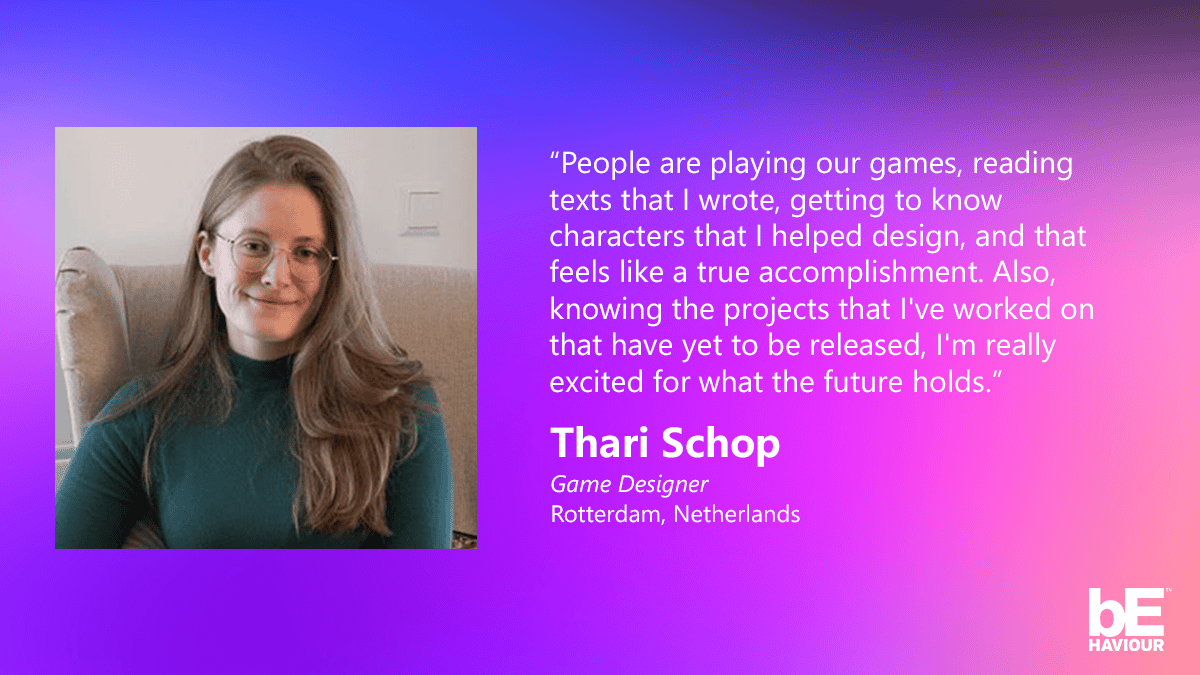
Like many others I started my journey in game development as a QA Tester, but I’ve always wanted to be a Narrative Designer. It took a few years, but now that I am one, I can confidently say that what I’m most proud of is that my words are finally out there. People are playing our games, reading texts that I wrote, getting to know characters that I helped design, and that feels like a true accomplishment. Also, knowing the projects that I’ve worked on that have yet to be released, I’m really excited for what the future holds.
Is there a woman who has particularly inspired you, and why?
Tanishta
Growing up in the early 2000s, one of my core childhood memories is being completely absorbed in Enid Blyton’s books. At the time, I never thought of her as a female author — it wasn’t something that was highlighted or even mentioned. Her stories were just … her stories. Adventures, friendships, dogs and mysteries – worlds that felt bigger and more exciting than anything around me. And for years, I didn’t actually know who was behind them.
I still remember how strange it felt when I eventually learned that Enid Blyton was a woman. A part of me felt a little sad, almost guilty, that I hadn’t known sooner. But another part of me found it quietly empowering. She wasn’t being celebrated because she was a woman —she was being celebrated because she created universes that spoke to millions of kids. Her work stood on its own. And somehow, that subtle kind of representation felt even more meaningful. She didn’t need the spotlight to be a role model; she let the stories do the talking.
As I got older, I learned more about her life and just how incredible her impact was. She created iconic series like The Famous Five, Secret Seven, Noddy and many more. Her works promoted themes of friendship, moral lessons and adventure, and contributed significantly to children’s literature over generations. She created stories full of warmth, bravery and possibility, despite facing hardship in her own personal life growing up in the UK in the early 1900s. Knowing this made her stories feel richer. They weren’t just tales —they were escapes shaped by someone who deeply loved imagination, even when real life was complicated.
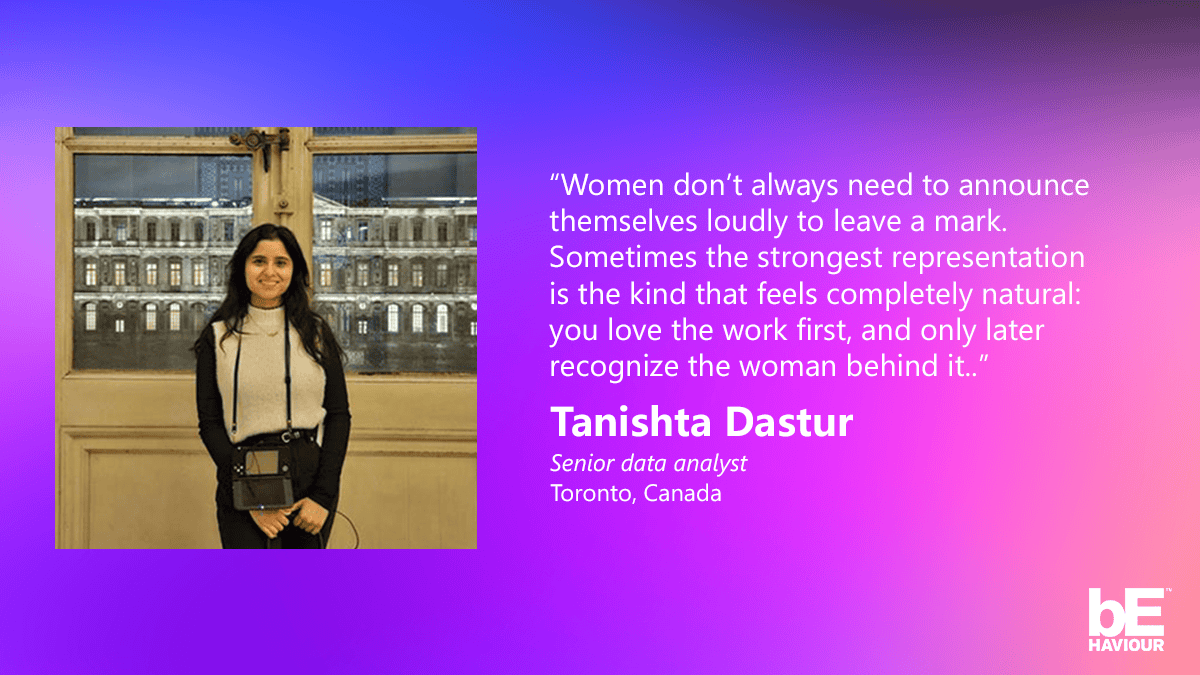
Looking back now, I realize how meaningful it was that my earliest “literary influence” didn’t come with a gender label attached. Enid Blyton was simply a great storyteller, and as a child growing up in Dubai surrounded by a mix of cultures, languages, and perspectives —that felt powerful. It taught me that women don’t always need to announce themselves loudly to leave a mark. Sometimes the strongest representation is the kind that feels completely natural: you love the work first, and only later recognize the woman behind it.
And that quiet form of inspiration has stayed with me ever since.